

Types of Private Senior Residences in Quebec
Private seniors residences: for autonomous seniors, semi-autonomous seniors, or older adults with cognitive impairments.
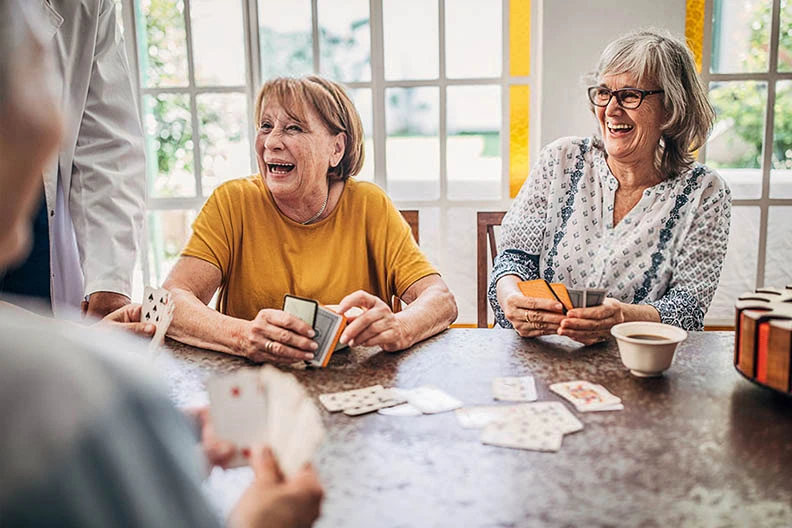
Independent Living for Seniors
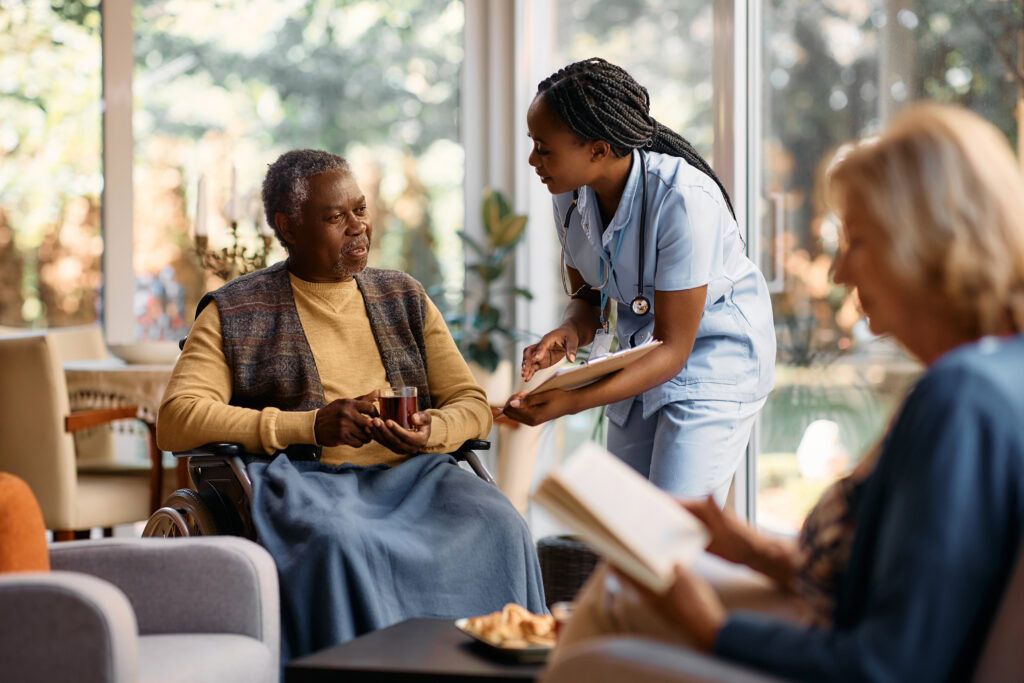
Private residences for semi-autonomous seniors

Private residences for autonomous and semi-autonomous seniors

Private residences for cognitively impaired seniors
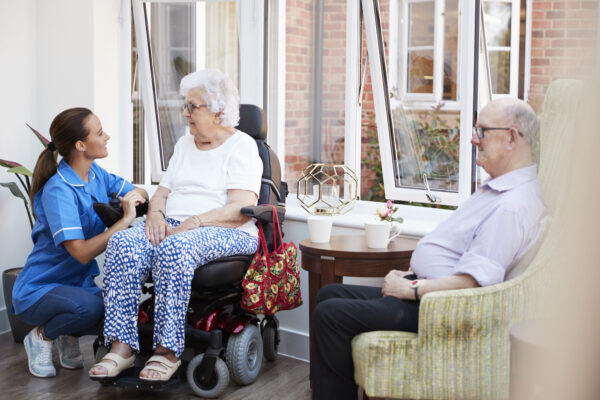
Evolving residences
Public Residential Care Facilities
Public residences, managed by the Ministry of Health and Social Services (MSSS), follow a specific admission process for residents. Individuals interested in living in these facilities must first meet with a social worker from the public health network. This professional assesses their overall situation, including health needs, and determines their level of autonomy. The social worker then guides them toward the type of residence that best matches their needs.

Intermediate Resources (IR)
Halfway between Private Seniors’ Residences (RPA) and Long-Term Care Centres (CHSLDs), Intermediate Resources (IR) can also be considered as an option. What makes these residences unique is that they are managed jointly by both the public system and the private sector. Through this mixed management model, the quality of care and the admission process remain under public oversight, more specifically through the CISSS and/or CIUSSS in your region
Most often, intermediate resources accommodate older adults with:
- A loss of autonomy;
- An intellectual or physical disability;
- Mental health problems;
- Autism spectrum disorder;
- Substance use disorder.
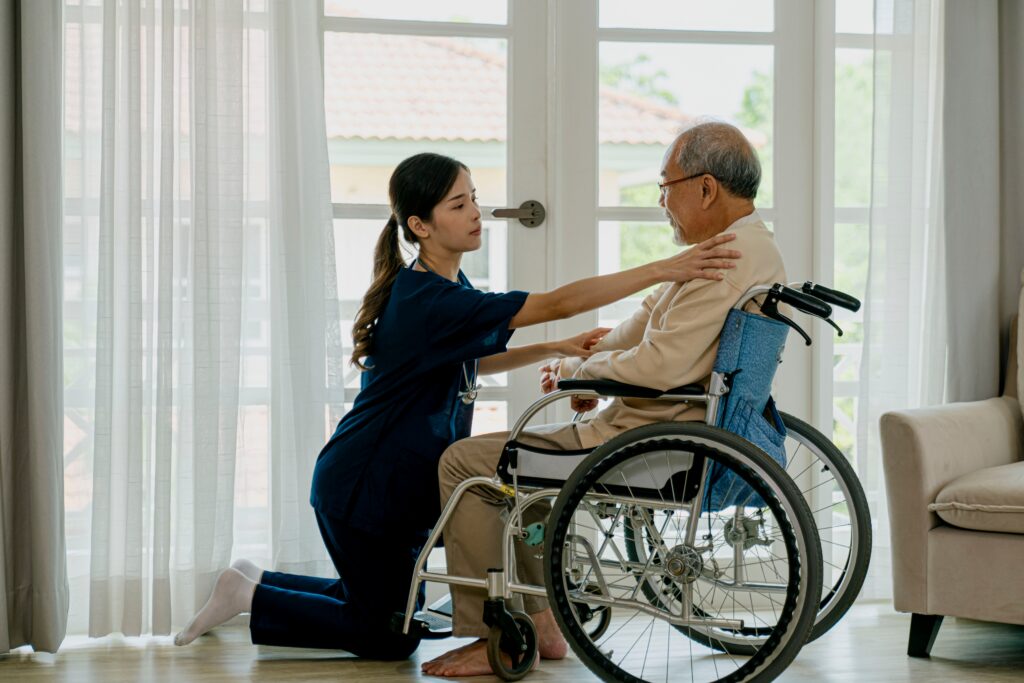
Seniors Homes and Alternative Care Homes
Launched in 2018, the new architectural model of the Seniors’ Homes (SH) and the Alternative Care Homes (ACH) aims to provide a living environment that closely resembles a home setting for residents. These living spaces are designed to be warm and welcoming, with a strong focus on the needs, preferences, and personal pace of residents and their loved ones when it comes to care and services.
Seniors Homes (SH) represent a housing concept focused on the human aspect and designed to reflect life at home. Residents experiencing a loss of autonomy are supported in maintaining their personal routines and pace of life. They are grouped into small living units, each accommodating 12 residents who share similar needs.
Alternative Care Homes are designed for adults with disabilities, whether physical, intellectual, or related to autism spectrum disorder
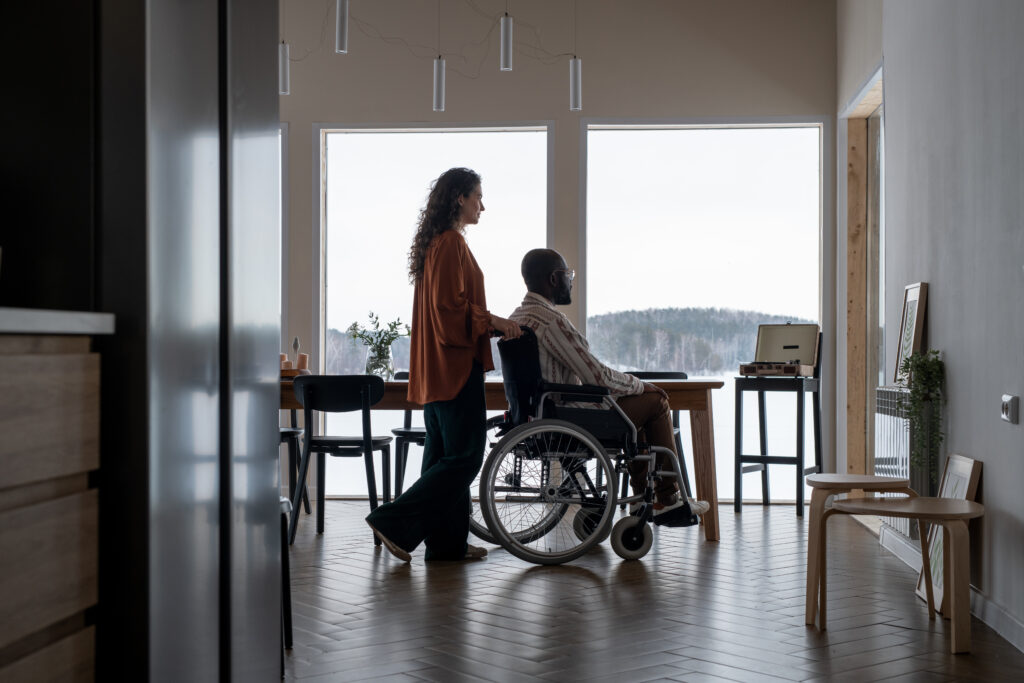
Residential and long-term care centers (CHSLD)
Long-term care centres (CHSLD) provide an alternative living environment, as well as housing, assistance, support, supervision, and rehabilitation services, along with psychosocial, nursing, pharmaceutical, and medical care, either on a temporary or permanent basis. These centres serve older adults who are no longer able to remain in their natural living environment due to functional or psychosocial loss of autonomy, despite support from their caregivers and family.
Our team is always available to support you through this transition.
Contact us to speak with an expert to find the best solution for you or a loved one.