


As we age, dementia becomes a significant concern for many families. This major neurocognitive disorder deeply affects memory, thinking, and the ability to perform daily tasks, significantly altering the lives of those affected. Although there is currently no cure for dementia, there are ways to improve the quality of life for those living with it.
Understanding the different types of dementia is essential for providing the right support to elderly loved ones. This article explores the five most common types of dementia and their specific characteristics.
Dementia is characterized by a gradual decline in cognitive functions, affecting memory, judgment, learning, and thinking abilities. According to the Government of Canada, dementia is a term that encompasses a range of symptoms affecting brain functions, with slow but continuous progression. Common signs include:
- A decline in memory, planning abilities, language, and judgment.
- Physical changes such as loss of coordination, bladder control issues, muscle weakness, and difficulty standing, sitting, or walking.
- Mood and behavioral changes that can affect social interactions and overall quality of life.
In this context, it’s crucial to understand these disorders to act quickly and provide the best possible care.
Major Neurocognitive Disorder: What Is It?
It’s important to note that major neurocognitive disorders are different from the normal aging process. While it’s true that minor memory lapses can be more frequent with age, suffering from dementia involves much more than simple forgetfulness. According to the Association of Psychiatric Physicians of Quebec, dementia is defined as a loss of mental faculties that reduces an individual’s ability to care for themselves independently.
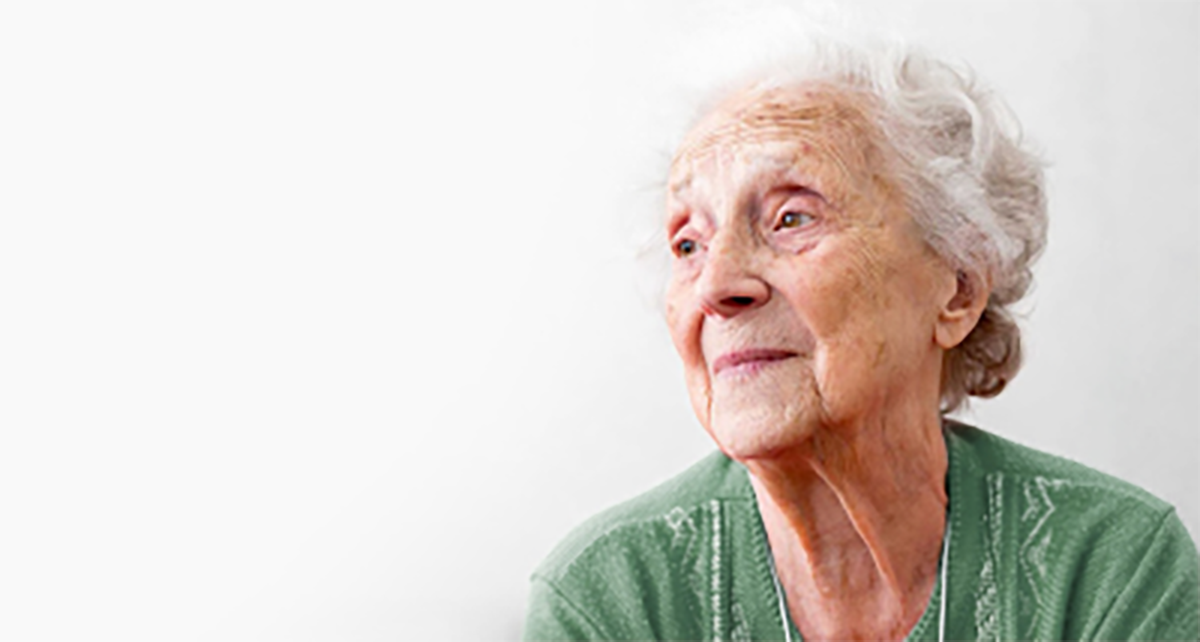
Additionally, it’s interesting to note that dementia is not a disease in itself but rather a syndrome that can be caused by various cognitive disorders, each with its unique characteristics. Among these, five main types of dementia stand out due to their prevalence in the population and their impacts on daily life.
1. Alzheimer's disease: The most common major neurocognitive disorder
Alzheimer’s disease accounts for approximately 60 to 70% of dementia cases. It is a progressive neurodegenerative disease that destroys brain cells. Memory loss, difficulty solving problems, and confusion are typical symptoms.
Risk factors:
- Advanced age
- Family history
- Genetic anomalies
Symptoms to Watch For:
- Short-term memory loss
- Difficulty with daily tasks
- Language problems
If you or a loved one exhibits signs of dementia, it is crucial to consult a doctor for an accurate diagnosis and treatment plan.
Learn more about the subject: The 7 Stages of Alzheimer’s Disease
2. Vascular dementia

Following Alzheimer’s disease, vascular dementia is the second most common cause of dementia. This type of major neurocognitive disorder is caused by the destruction of brain cells due to circulation problems, such as those caused by a stroke. It is not considered a neurodegenerative disease per se but remains a significant cause of dementia that can affect people of all ages.
Causes and Symptoms of Vascular Dementia
In addition to strokes, vascular dementia can also result from narrowing blood vessels or a brain aneurysm. In all cases, the result is damage to cognitive functions. The main symptoms of vascular dementia are generally similar to those of other types of dementia:
- Memory loss
- Reasoning difficulties
- Language issues
- Mood changes
- Decreased autonomy
- etc.
However, a particular feature of vascular dementia is that symptoms can vary depending on the location of the vascular problem. For example, damage to the left hemisphere of the brain will have a different impact than damage to the right side.
Recognizing Stroke Symptoms
A stroke, whether hemorrhagic or ischemic, is a serious problem that can lead to severe consequences. In addition to being a major cause of death, strokes can also result in vascular dementia. While it is difficult to predict when a stroke will occur, there are early signs that can be quickly identified.
As the Heart and Stroke Foundation reminds us, every minute counts, and quick action is essential! The acronym FAST is a helpful memory aid for recognizing stroke symptoms:
F
Face: Do you notice any facial drooping?
A
Arms: Can the person lift both arms normally?
S
Speech: Is there difficulty speaking clearly?
T
Time: If so, it’s a real emergency, and it’s important to call 9-1-1 immediately.
Recognizing the early signs of a stroke can not only save lives but also prevent serious aftereffects. Your awareness is a great preventive measure for vascular dementia.
3. Mixed dementia: when multiple brain disorders coexist
Mixed dementia refers to a situation where multiple types of dementia are present simultaneously. The most common combination is Alzheimer’s disease and vascular dementia.
Characteristics:
- Requires a thorough medical evaluation
- Individualized treatment based on underlying causes
Accurate diagnosis and tailored care help better manage this complex form of dementia
4. Lewy body disease: A cognitive and motor disorder
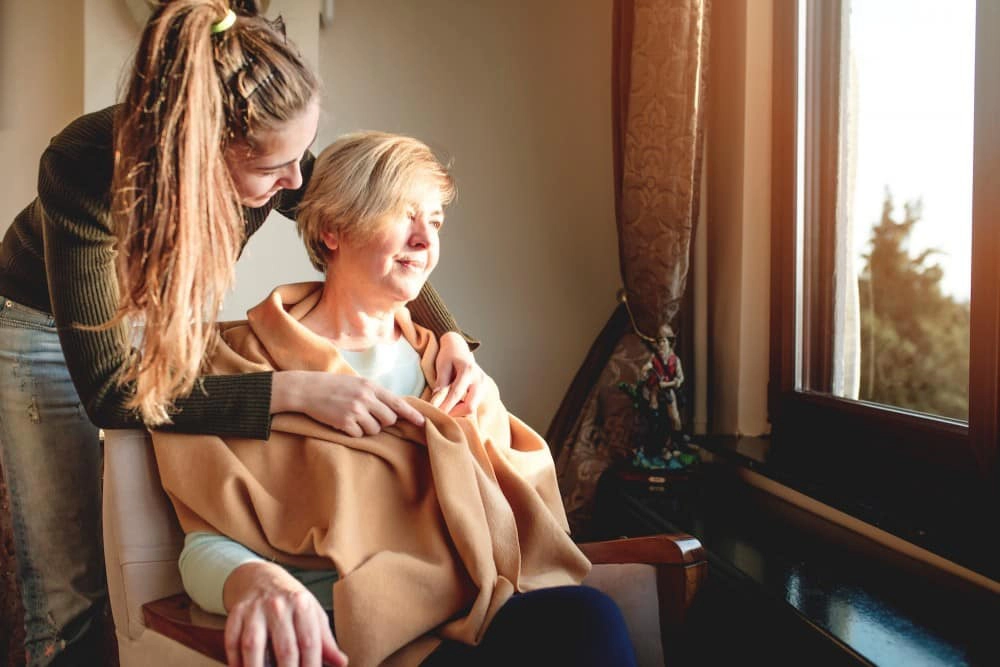
Lewy body dementia (LBD) is the second leading cause of neurodegenerative dementia after Alzheimer’s disease. It is characterized by the accumulation of abnormal proteins (Lewy bodies) in brain cells, affecting both cognitive and motor functions.
Characteristic Symptoms:
- Attention problems
- Difficulty organizing tasks
- Visual hallucinations and sleep disturbances
- Tremors and muscle stiffness (similar to Parkinson’s disease)
Although the exact cause remains unclear, some genetic factors may play a role. Early diagnosis helps optimize symptom management.
Would you like to learn more about this neurocognitive disorder affecting the daily lives of many seniors? Check out our article dedicated to Lewy body dementia.
5. Frontotemporal dementia: marked behavioral changes

Pronounced Behavioral Changes Frontotemporal dementia affects the frontal and temporal lobes of the brain, which are responsible for behavior, language, and memory. Individuals with this condition may experience personality changes and language difficulties.
Specific Symptoms:
- Behavioral changes (impulsivity, aggression)
- Speech and comprehension problems
- Difficulty concentrating and memorizing
- Muscle problems and difficulty swallowing
Diagnosis: Brain imaging tests, such as CT scans or MRIs, are required to confirm this type of dementia.
Note that in addition to these five main types of dementia, Creutzfeldt-Jakob disease and Korsakoff syndrome may also be considered. While the causes differ, many symptoms remain similar.
Prevention Tips to Reduce Dementia Risks
While we cannot eliminate all risks, several habits can help prevent major neurocognitive disorders:
Regular physical exercise to stimulate blood circulation and maintain brain functions.
Mental stimulation through games, reading, or learning activities.
Active social life to maintain connections and good mental health.
Avoiding smoking and managing alcohol consumption.
A balanced diet: prioritize foods rich in antioxidants and omega-3 fatty acids.
Regular medical check-ups, especially for managing hypertension, diabetes, and other conditions that can contribute to vascular dementia.
Disclaimer
The content of this article is for informational purposes only and is not a substitute for professional evaluation. If you have any questions or concerns regarding your health or that of a loved one, we recommend consulting a doctor or a qualified healthcare professional.
Supporting Seniors Living with Dementia
At Visavie, we understand the emotional and physical impact of living with a loved one who has dementia. Our specialized housing advisors are here to guide you through every step, ensuring your elderly loved ones receive optimal quality of life and compassionate support.
With a caring and thoughtful approach, our Senior Living Advisors bring their experience and expertise to help face the daily challenges of living with dementia.
More articles

Spectrum Appoints Jean-François Rioux as Senior Vice President in Quebec
Quebec‑based health‑care leader joins Spectrum to steer provincial strategy, government relations and service expansion. Spectrum is pleased to announce the appointment of Jean‑François Rioux as Senior Vice President, Quebec, effective immediately. In this newly...

The sandwich generation: what is it?
What do you know about the "sandwich generation"? This concept is becoming increasingly common, affecting a large proportion of the adult population. The sandwich generation refers to people who have to look after their children at the same time as caring for aging or...

Ontario Seniors Care at Home Tax Credit (2025–2026): Complete Guide
The Ontario Seniors Care at Home Tax Credit is a refundable provincial tax credit that allows individuals aged 70 and older to recover up to 25% of eligible medical expenses that support aging at home. Whether you live in your own house, an apartment, or a retirement...
Questions and Answers (Q&A)
Everything you need to make informed decisions , all in one place.
My parent has Alzheimer's disease: When should I start considering a senior living facility?
Alzheimer's disease accounts for 60 to 70 percent of dementia cases and progresses steadily, according to the Government of Canada. The transition usually occurs when it is no longer safe for the person with Alzheimer’s to remain at home or when the caregiver’s exhaustion becomes unsustainable. Understanding the stage of the disease helps with decision-making; for more information, see The 7 Stages of Alzheimer’s Disease. At Visavie, housing advisors provide free assistance in finding a residence suited to your parent’s stage of the disease.
How can you tell if the home is still safe for a loved one living with a neurocognitive disorder?
Dementia reduces a person’s ability to care for themselves independently, as noted by the Quebec Association of Psychiatrists. Certain warning signs should raise concern: forgetting to turn off the stove, leaving doors unlocked, wandering without being able to find one’s way back, or no longer managing medication safely. When these situations arise, a supervised living environment becomes safer. Visavie helps you find a senior living facility that provides the appropriate level of supervision for neurocognitive disorders.
I'm juggling my kids and a sick parent, and I'm exhausted: what are my options?
Extreme fatigue, anxiety, and guilt are common among members of the sandwich generation. Since dementia is a progressive condition, the care required eventually exceeds what the family and the CLSC can provide: the Government of Canada highlights this slow but steady progression. Taking care of one’s own health is part of the solution. Visavie refers families to care facilities that take over daily care, allowing the caregiver to regain a sense of balance.
My loved one is experiencing hallucinations and muscle stiffness: what kind of living environment would be best for them?
These symptoms often suggest Lewy body dementia, which combines cognitive impairments (visual hallucinations, sleep disturbances) and motor symptoms similar to those of Parkinson’s disease; for more information, see Lewy body dementia. This type of neurocognitive disorder affects memory, thinking, and independence and requires specialized care. Visavie will refer you to a care facility whose staff and amenities are suited to residents with limited mobility and the level of supervision required.
After a stroke, my parent has lost some of their independence: Does vascular dementia justify a move to a nursing home?
Vascular dementia, the second leading cause of major neurocognitive disorder, often occurs after a stroke and leads to memory loss, difficulty with reasoning, and reduced independence. Recognizing the signs of a stroke quickly is crucial: the Heart and Stroke Foundation offers the FAST mnemonic. Here are 5 ways to help your spouse after a stroke. When daily activities become too difficult at home, Visavie helps you find a care setting that provides the necessary level of care, at no cost to the family.
How do you choose a senior living facility that is suitable for someone living with dementia?
Each type of dementia (Alzheimer’s, vascular, mixed, frontotemporal, Lewy body) has different safety and care needs. Dementia encompasses a range of symptoms that affect brain function, and the right choice depends on the stage of the disease and the symptoms of the loved one. Visavie’s advisors, who have been serving clients since 1988, are experts in finding suitable care facilities: they pre-select options that match the senior’s profile, which simplifies what is often a difficult decision for families.